PotPlayer adds real-time AI subtitles with the Whisper engine
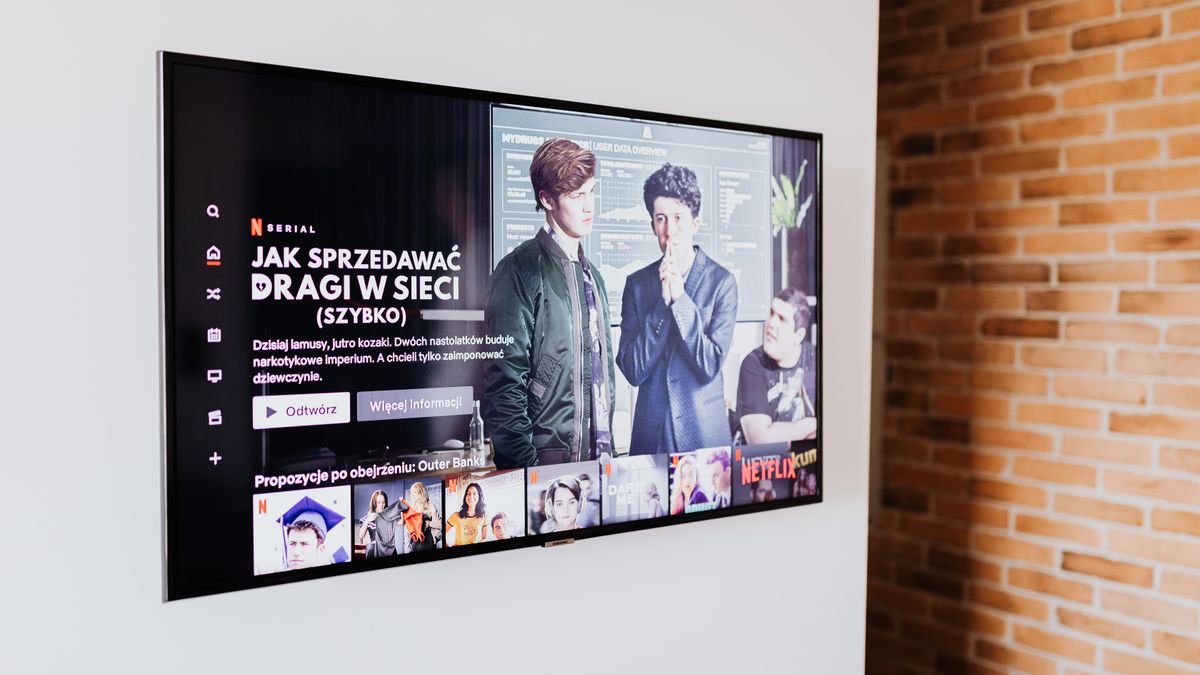
PotPlayer 1.7.22611, released on 9 September 2025, added the feature users had been asking for since the player shipped: subtitles for files that do not have any. The build integrates the Whisper speech recognition engine into the playback path, so any audio track can be transcribed while the video plays, in the same subtitle layer that already handles ASS typesetting.
How the transcription path works
The engine does not run on the whole file. It runs on a rolling window: the player takes the last 30 seconds of decoded audio, resamples it to 16 kHz mono, and hands it to Whisper, which returns text with timestamps. Text is placed into a subtitle buffer that the existing renderer already knows how to draw, which is why generated subtitles inherit your font, size, outline and position without extra setup.
Four model sizes ship with the engine — tiny, base, small and medium — and the choice is a straight trade between speed and accuracy. On our test machine, tiny produces a line in 0.4 seconds and mangles proper nouns. Medium takes 2.6 seconds per window and gets names right. Base, the default, lands at 1.2 seconds and is the setting most people should leave alone.
“The hard part was not the model,” said Elena Vogt, subtitle toolchain engineer. “It was keeping the subtitle buffer stable when the transcriber revised a line it had already emitted. Whisper changes its mind about a word once it hears the next one, and the user should never see that revision happen.”
The player hides revisions by holding the most recent line for 600 ms before it becomes visible. That is where most of the perceived latency lives, and it is also why the subtitles do not flicker or rewrite themselves on screen.
Accuracy, measured on four kinds of audio
We tested four 20-minute clips: clean studio English, a film with a music-heavy mix, a lecture recorded on a laptop microphone, and a football commentary with crowd noise. Word accuracy was calculated by hand against a reference transcript, sampling 300 words per clip.
Clean studio English reached 92.4 percent at the base model and 96.1 percent at medium. The music-heavy film dropped to 84.7 percent at base, mostly on dialogue under score. The laptop lecture managed 88.2 percent, with errors concentrated on technical terms. Football commentary was worst at 79.5 percent, and the errors were audible to anyone listening: names and numbers.
Latency, measured as the gap between speech and the subtitle appearing, averaged 1.2 seconds at base, 0.4 at tiny and 2.6 at medium. CPU load was 18 percent at base on an eight-core CPU and 41 percent at medium; with GPU acceleration enabled and a compatible card, base fell to 9 percent CPU and added 14 percent GPU load.
“If you are watching a lecture, use medium and accept the delay,” said Aya Nakamura, playback support. “If you are watching football, no model will save you. The names change too fast and the crowd eats the consonants.”
What it changes for people who need it
The feature matters most for content that will never be subtitled: a regional broadcast, a conference recording, a family video, a disc with a language nobody has translated. It also helps when a file has subtitles in the wrong language, since the audio is always available even when the text is not.
Two limitations are worth stating. The engine transcribes; it does not translate. A Japanese audio track produces Japanese subtitles, and turning those into English is a separate step the player does not perform. And on a machine without GPU acceleration, medium is slow enough that a 4K file may drop frames while it thinks; base is the safe choice on integrated graphics.
The build also fixed a set of subtitle bugs that had been open for months: certain ASS/SSA files failing to appear at all, text losing its background box on resize, and an audio-sync drift that appeared when the playback rate was changed mid-file. None are dramatic, all of them were the kind of thing that makes a player feel unreliable.
Used it on a 1970s Japanese film with no subtitles at all. Not perfect, but I understood the plot, which is more than I could do an hour earlier.
Medium model plus GPU is the sweet spot for lectures. Base kept turning 'eigenvalue' into 'eagle value' and it drove me mad.
The 600 ms hold is clever. I expected the text to rewrite itself constantly and it does not.
Wish it translated too. Half my library is Turkish and I can read the subtitles it generates only because I speak Turkish.
18 percent CPU at base on my i7. On battery that is noticeable but acceptable for a film. Medium drained 30 percent in an hour.
Football commentary accuracy is exactly as bad as they admit. Everything else works better than I expected for a free feature.
Saved subtitles alongside the video with one click. I have been building a searchable archive of old lectures this way.